A Rochester flip walkthrough, room by room — for investors prepping a showing this month
Rochester home buyers notice these 3 lighting mistakes first
Here's what to install instead, and why it moves offers. Buyers can't articulate lighting critiques out loud, but their body language during a showing gives it away — and it's almost always one of the same three fixtures.
Short answer, before the walkthrough
Rochester buyers most often flag three lighting issues, usually without naming them directly: frosted-glass flush mounts that read as un-renovated, mismatched bulb color temperature between rooms, and single-source overhead lighting with no statement fixture over the island or table.
- Flush mount "boob lights" → replace with a low-profile modern LED flush mount
- Mismatched yellow/blue bulbs → standardize on one warm-white, dimmable line throughout
- One bare overhead light, no layering → add a statement pendant or chandelier over the island or table
Why do buyers mentally write off a room the moment they see a frosted-glass flush mount?
Rochester's housing stock leans heavily on colonials and capes from the 1950s–1990s, and the frosted glass dome flush mount is the single most common holdover fixture in that stock. Buyers who've toured a handful of houses have learned to read it as shorthand: this room got paint and maybe flooring, but the systems weren't touched.
That reaction happens even in a fully rewired, fully renovated room. The fixture is doing reputational damage to work that's already been done. It also tends to cast light downward and slightly yellow, which flattens staged rooms in listing photos before a buyer even walks in.
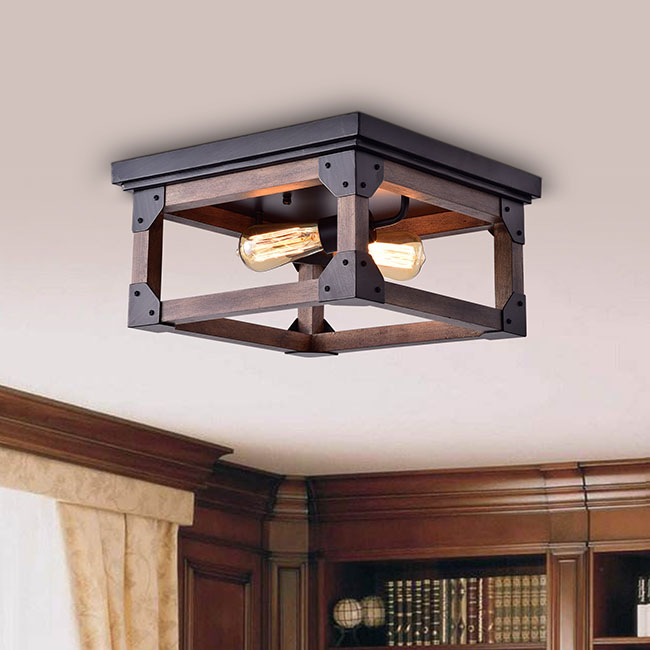
Why does mismatched bulb color make a renovated house feel unfinished?
This is the mistake flippers make without realizing it, usually because fixtures got installed by different subs on different days with whatever bulbs were on the truck. The kitchen glows a cool blue-white 5000K, the living room is a warm yellow 2700K, and the hallway between them is somewhere in the middle.
Buyers can't name color temperature, but they feel the inconsistency as visual static — the sense that a house wasn't designed as one whole, even when every room was individually renovated well. It's one of the most common notes agents report hearing after a showing: "it just felt a little off, I can't say why."
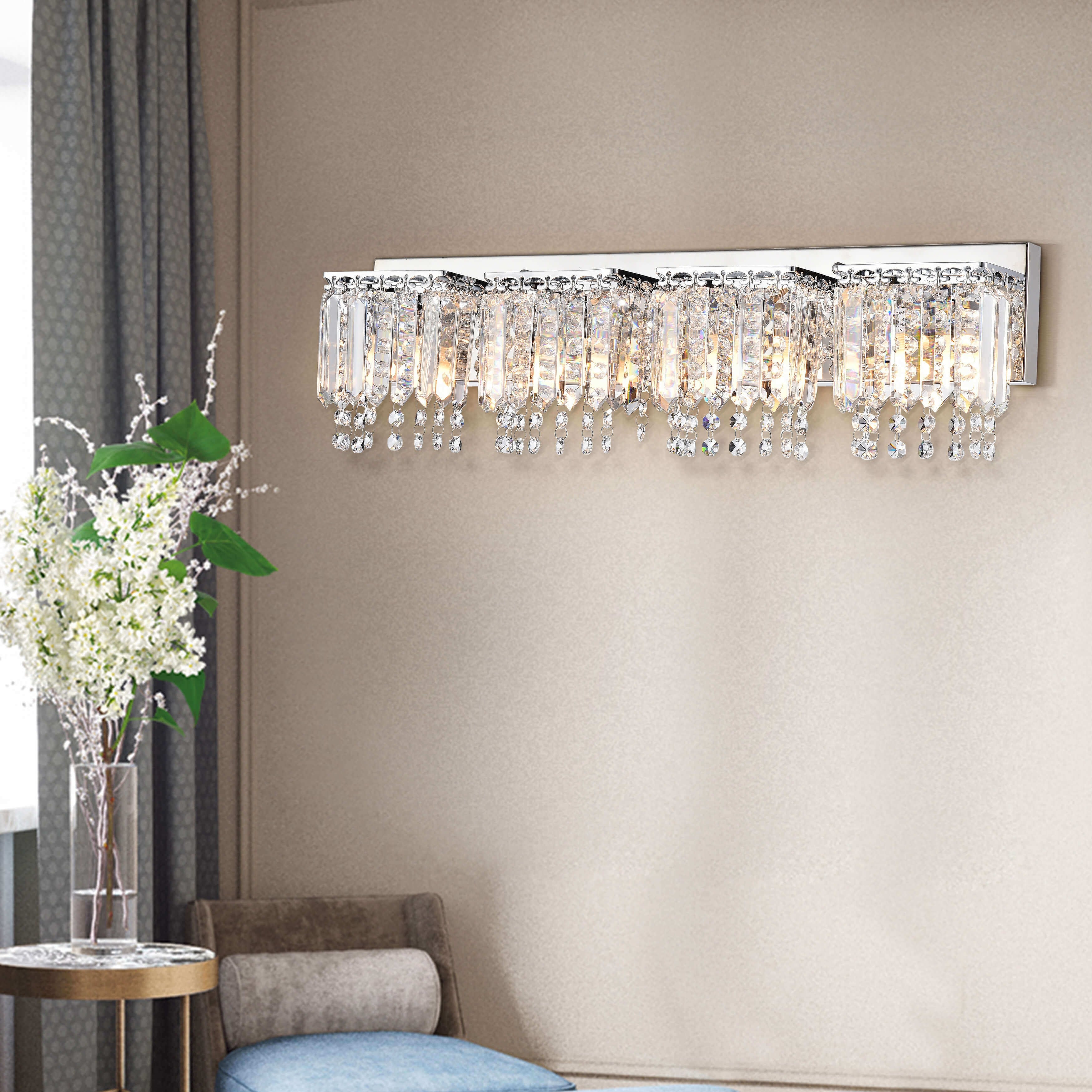
Why do buyers linger longer in rooms with a statement fixture over the island or table?
A single center-ceiling light with no layering casts hard, flat overhead shadow and leaves corners dark — the lighting profile of a rental unit, not a home someone chose. It also leaves the kitchen island or dining table, the two spots where buyers project themselves entertaining, with nothing to look at.
Agents consistently report that rooms with one deliberate focal fixture over an island or table are where buyers stop scrolling their phones and start taking photos. It's the single fixture most likely to end up in the listing photo buyers screenshot and send to a partner.
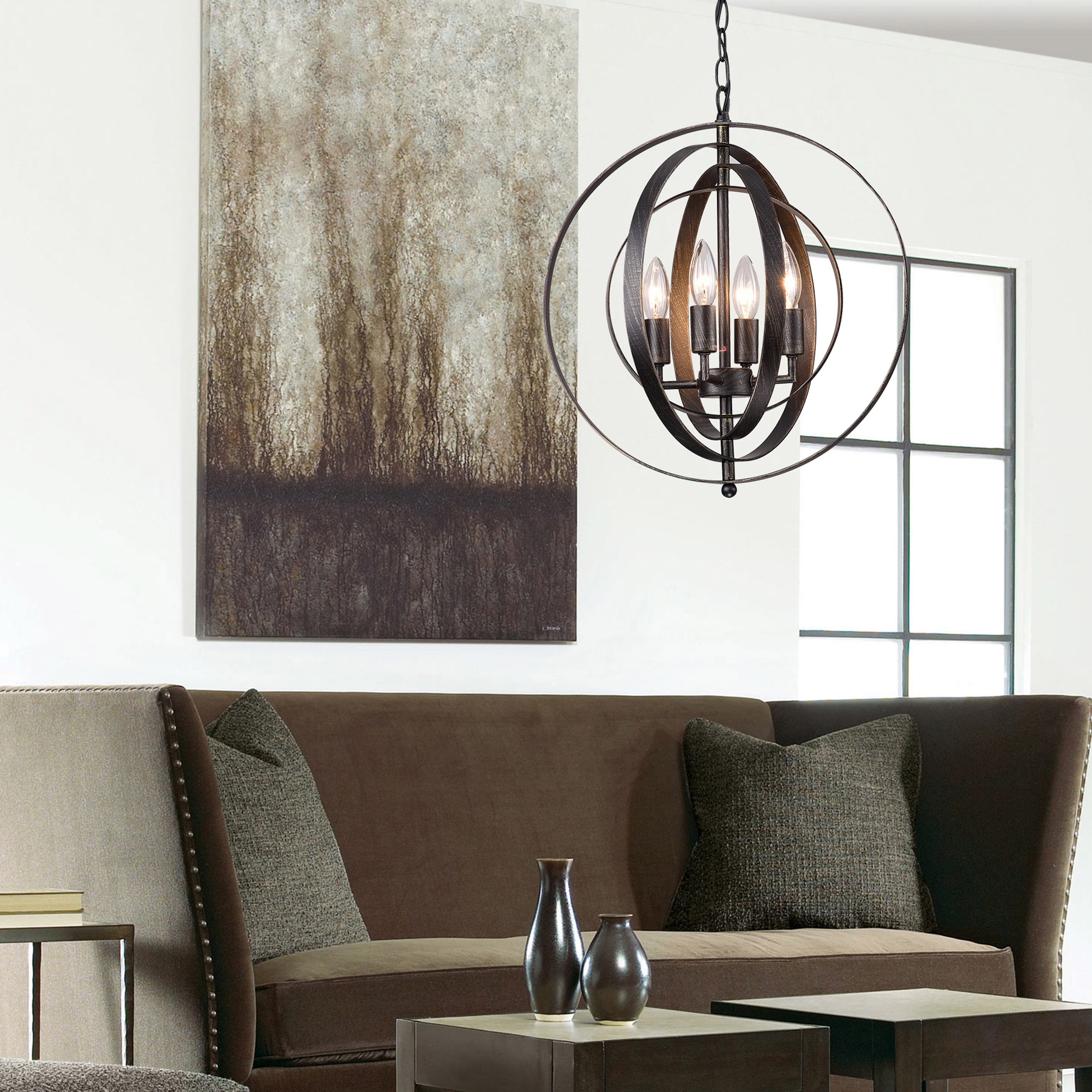
Finish is solid antique black; the gold/bronze tones visible in the photo are light reflecting off the bulbs and rings, not a separate finish.
The pattern flippers who sell fast follow
| Buyer reaction | Root cause | Fix category |
|---|---|---|
| "Feels un-renovated" | Frosted-glass flush mount dome | Low-profile LED flush mount |
| "Something's a little off" | Mismatched bulb color temperature room to room | One warm-white, selectable-CCT fixture line throughout |
| Buyer moves through the room quickly | Single overhead light, no focal point | Statement pendant or chandelier over island or table |
Who's writing this
This walkthrough is compiled from patterns Rochester-area renovation and staging teams report seeing across repeat showings — the reactions buyers have before an offer, not after. It's written for investors managing their own flips who want the lighting fix that matters most before the next open house, not a full electrical overhaul.
Product specs above are evidence for the pattern being described, not a paid placement. Confirm current pricing and availability with the retailer before purchasing.