Why MLS photo performance is so buyer-relevant
Most buyers meet a home online before they ever meet it in person. A listing entered into the MLS syndicates to the major portals and brokerage sites, and on every one of them the lead photo and the first handful of images decide whether a buyer taps through or keeps scrolling.
That makes photo performance a conversion problem. A listing gets a few seconds of attention in a results grid, and brightness, color and clarity are what the eye reads first. Lighting is the variable that affects all three.
The National Association of REALTORS® (NAR) reports in its 2025 Profile of Home Buyers and Sellers that 52% of buyers found the home they bought online and 70% used a phone or tablet during their search. In NAR’s 2024 Profile, photos were the website content buyers rated most valuable, at 41%, ahead of detailed property information (39%) and floor plans (31%).
Put simply, most buyers meet your flip on a small screen, and a photo is the first thing they judge.
What bad lighting does to a listing photo
Poor lighting is not just “dark.” It shows up in several ways that buyers read as problems with the house itself.
| Lighting problem | What shows up in the photo | What the buyer assumes |
|---|---|---|
| Underlit rooms | Grainy, gray, shadowed corners | Small, gloomy, possibly neglected |
| Mixed bulb colors | Orange and blue casts in one frame | Sloppy finish, inconsistent work |
| Harsh single source | Hot spots and hard shadows | Dated, cheap fixtures |
| Dark fixtures or burnt bulbs | Dead spots on ceilings and vanities | Deferred maintenance |
| Window glare vs. dim interior | Blown-out windows, murky room | Poor layout or little natural light |
The key point for flippers: the buyer does not blame the photographer. They blame the home. A fully renovated kitchen shot under dim, yellow bulbs can look no better than the unrenovated one next door.
What does bad lighting cost a flipper?
This is about the money a flip can lose from weak photos, not the price of a light fixture. No study measures lighting alone, so the honest answer is a range built from related research on photo quality.
- Higher sale price. A well-known Redfin analysis from 2013 found that homes listed between $200,000 and $1 million sold for $3,400 to $11,200 more relative to list price when shot professionally with a DSLR than when shot with amateur equipment. Sharp, well-lit images were part of that difference.
- Faster sale. The same analysis found that professionally photographed homes in the $400,000 range sold about three weeks faster.
- Carrying costs. Each extra week on market means another week of property taxes, utilities, insurance and loan interest. Multiply your own weekly carrying cost by the weeks a weak first impression adds, and that is your lighting cost.
Two cautions. That study is more than a decade old, and it shows correlation, not proof: agents who hire photographers often also price, stage and market more carefully. Still, the direction is consistent with how people shop, since a buyer decides whether to tap a listing in seconds, based on an image.
Why it matters for Rochester flips
Lighting matters for every listing, but several local factors make it a bigger deal for Rochester, NY flippers.
- Gray skies and short winter days. Western New York has long overcast stretches. If a flip lists in late fall or winter, natural light cannot be relied on to carry the photos.
- Older housing stock. Many Rochester-area homes in neighborhoods such as Charlotte, Park Avenue, Browncroft, Irondequoit and the inner suburbs are older, with smaller windows, darker woodwork and dated ceiling fixtures that photograph poorly.
- Tight margins. A flip’s return depends on carrying costs and sale price. Every extra week on market adds taxes, utilities and interest, so anything that slows early interest has a real dollar cost.
- Strong buyer comparison. Buyers in this market compare your flip against both updated listings and move-in-ready homes. Good lighting is a cheap way to look as polished as the renovation actually is.
Lighting is also one of the lowest-cost line items in a renovation. Swapping fixtures and bulbs costs little next to flooring or cabinetry, yet it affects how every other finish appears on camera.
The evidence: lighting fixes that show up in photos
The most reliable way to improve listing photos is to fix the light at the source before the photographer arrives. These are the fixture types that make the biggest visible difference, shown with JoJospring options first.
JoJospring lighting fixtures for flip-ready photos
Flips run on tight rehab budgets, so fixtures need to look finished without eating the margin. These JoJospring pendants, sconces and flush mounts cover the rooms that carry the most weight in a listing gallery: the entry, kitchen, dining area, bathroom and bedrooms.
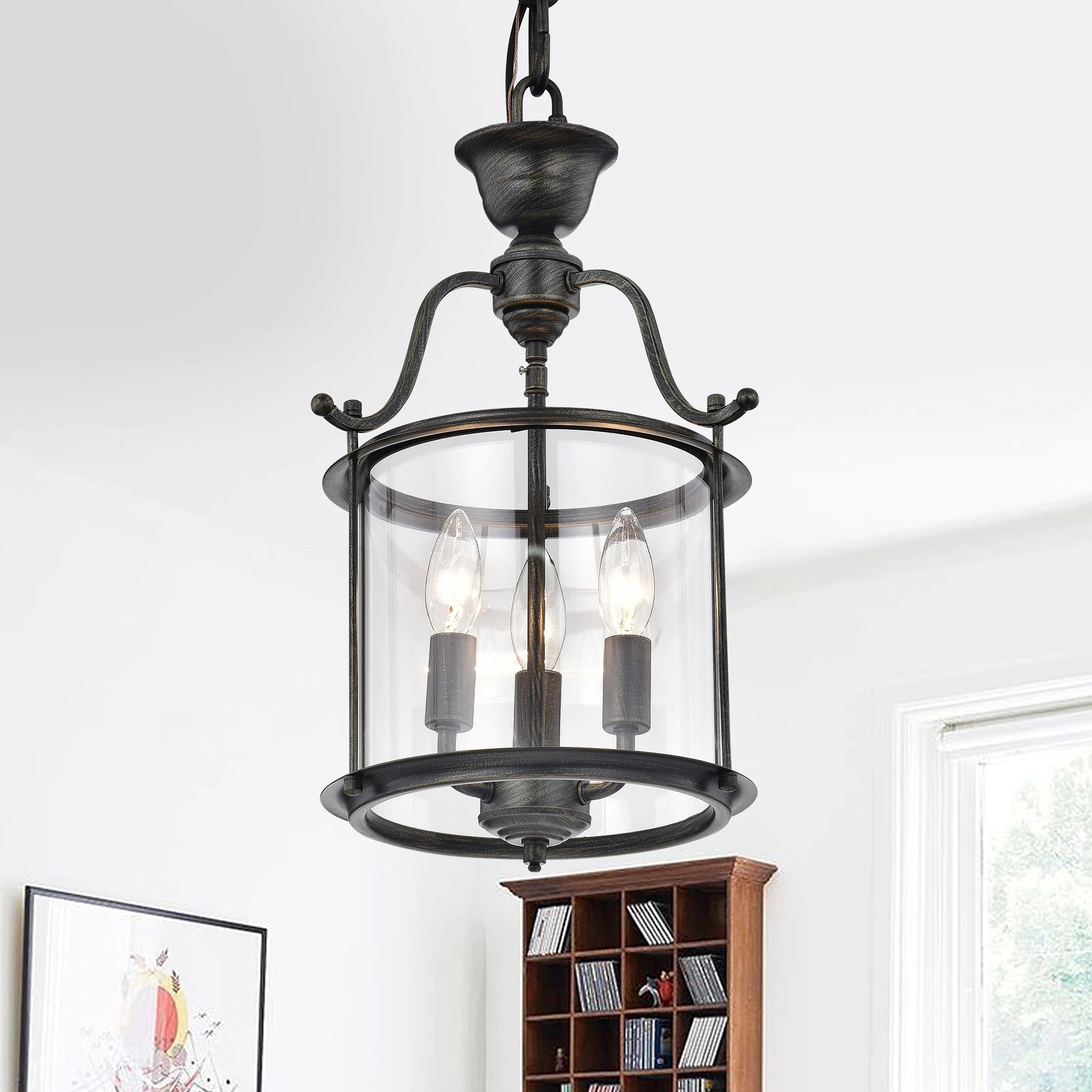
Entry / foyer
Carlota 3-light Clear Glass Foyer Pendant Chandelier
Clear glass keeps the entry feeling open, and a three-light pendant gives the first interior photo a bright, finished focal point.
$111.21
View Carlota at JoJospring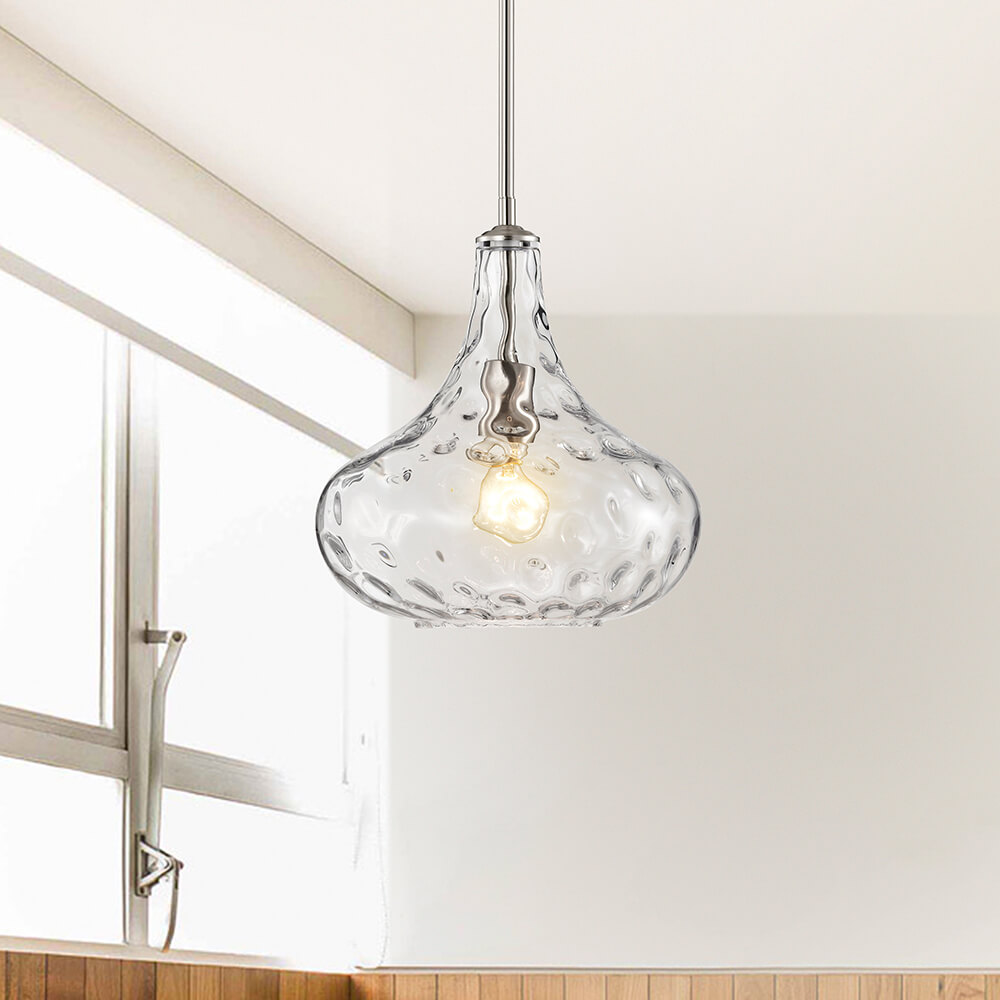
Kitchen island or counter
Adriana Modern Single Light Textured Glass Pendant Chandelier
A single-light pendant is easy to hang in a row over an island or peninsula, which adds focused light to the kitchen photo buyers look at most.
$72
View Adriana at JoJospring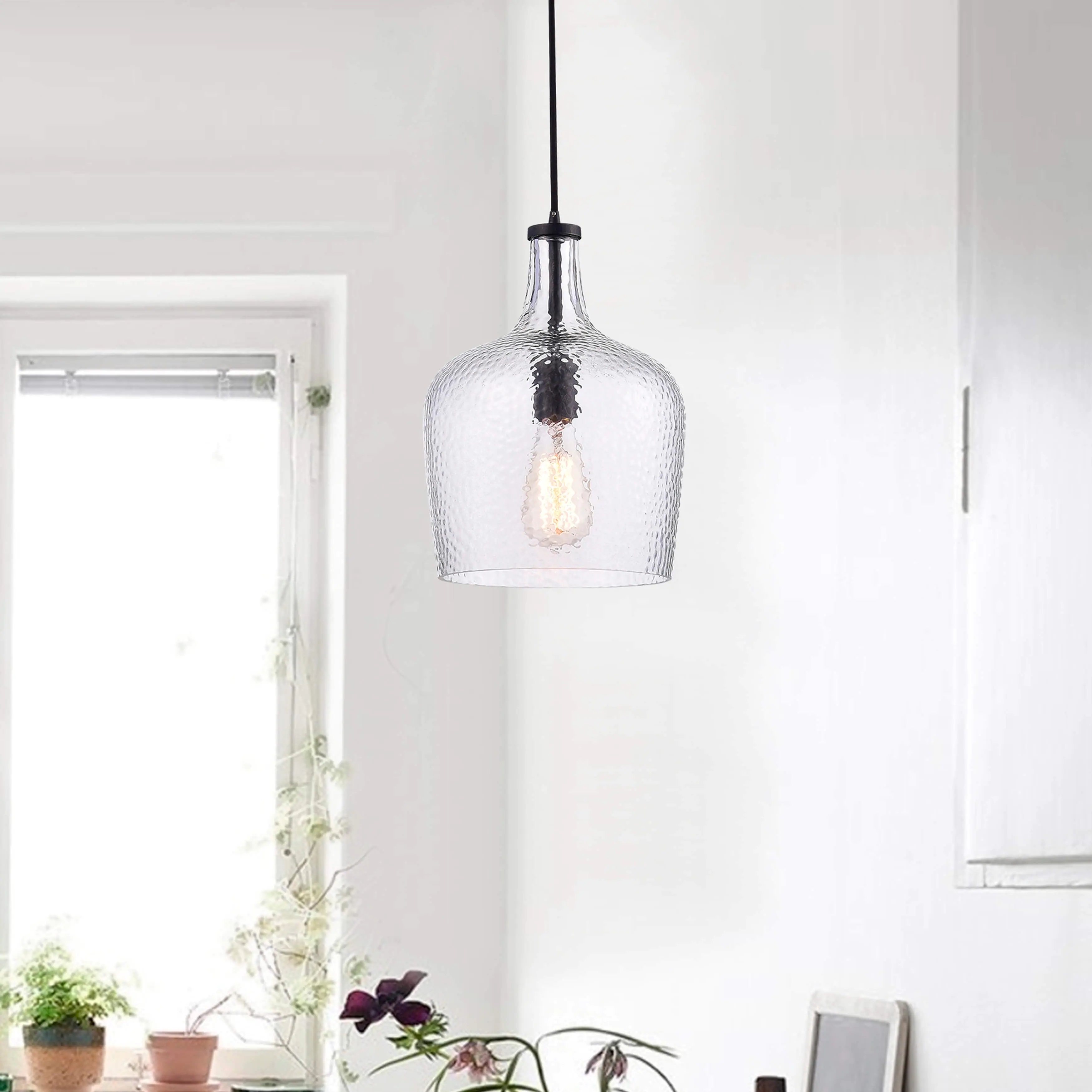
Dining area or kitchen
Belinda Mouth-blown Clear Glass Pendant Chandelier in Antique Black Finish
The antique black finish adds contrast against light walls, so the fixture reads clearly on camera while the clear glass keeps it from feeling heavy.
$79.49
View Belinda at JoJospring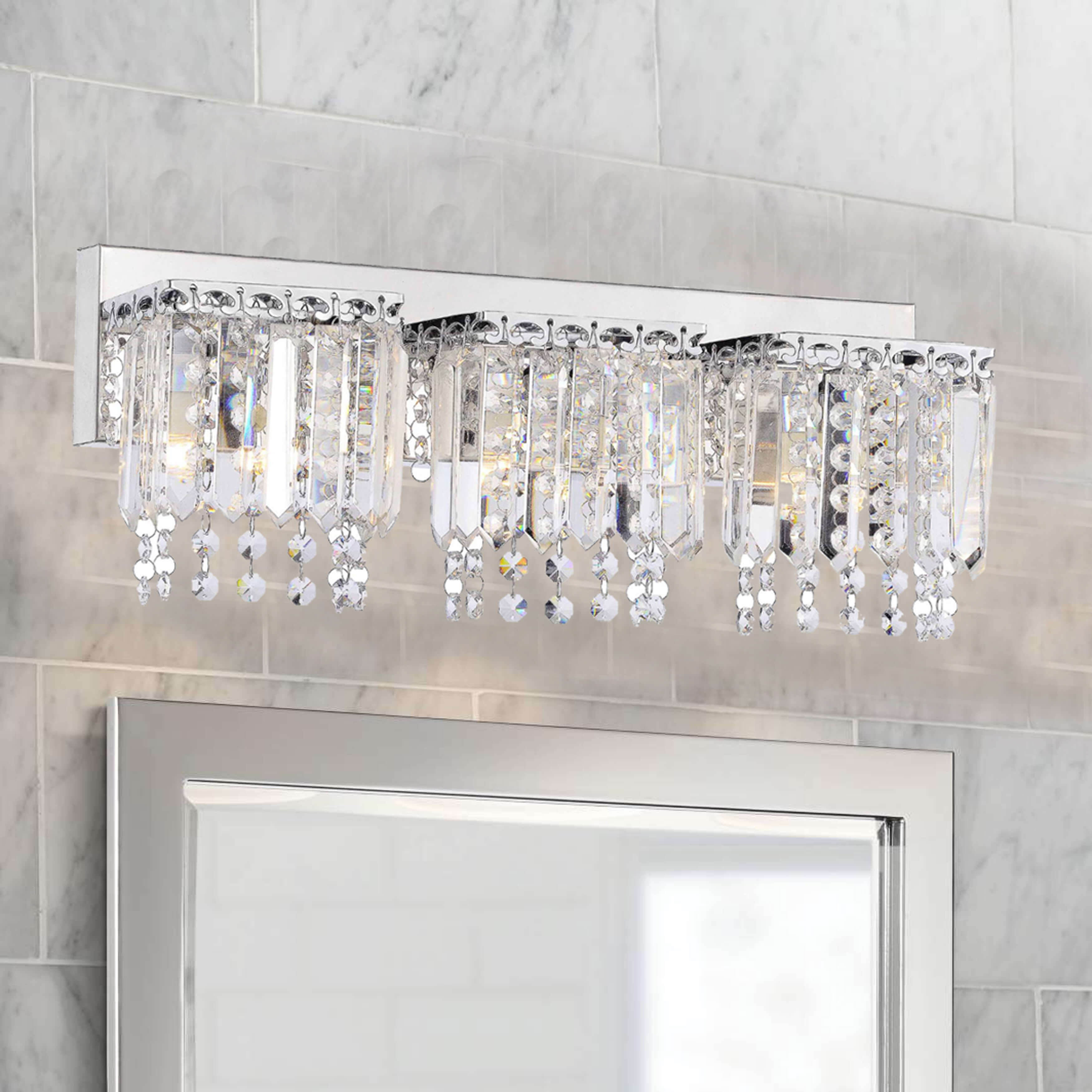
Bathroom vanity or hallway
Evelyn 3-Light Crystal Strand Wall Sconce
Mounted as a pair beside a mirror, wall sconces put light on faces and counters at a flattering angle and reduce the shadows a single ceiling fixture leaves.
$112.40
View Evelyn at JoJospring
Bedroom or hallway
Jolie Chrome Finish 4-light Crystal and Prism Round Flush Mount
A flush mount suits rooms with lower ceilings and spreads light across the whole room instead of pooling in one spot.
$106.99
View Jolie at JoJospringPrices shown were current when this article was written and may change. Check each product page for current price, size, bulb requirements and availability, and confirm that fixture sizes suit your ceiling heights before you buy.
Other evidence that lighting improves listing photos
- Consistent color temperature. Using the same bulb color across the home removes the orange-and-blue patchwork that makes a flip look unfinished.
- Layered light. Combining ceiling fixtures with pendants, sconces or lamps fills in shadows that a single source leaves behind.
- Photographers get better files from lit rooms. Real estate photographers often blend exposures or add flash, but a room with strong, even ambient light gives them a cleaner starting image and less to correct afterward.
- Editing has limits. Brightening software can lift a dark image, but it cannot create missing light, fix mismatched color casts completely, or remove the flat look of an unlit corner.
Pre-photo lighting checklist for flippers
- Replace every dated or dim ceiling fixture in the kitchen, entry, dining area, bedrooms and bathrooms.
- Use matching bulbs, with one color temperature throughout the home, and replace any that are burnt or flickering.
- Choose higher-output bulbs where rooms are small or windows are limited.
- Turn on every light for the shoot, including closets, lamps and exterior fixtures.
- Clean windows and open blinds so natural light supplements, not fights, the fixtures.
- Schedule photos for the brightest part of the day, and consider twilight exterior shots for curb appeal.
- Review the first photo set. If any room looks dim or color-shifted, fix the light and reshoot rather than relying on editing.
Frequently asked questions
Does lighting really affect how fast a house sells?
Lighting does not change the house, but it changes the first impression buyers get online. Dim or uneven photos can reduce clicks, saves and showing requests, which tends to lengthen days on market.
Why does lighting matter more for Rochester flips?
Flippers earn their profit on presentation and speed. Rochester’s gray, overcast stretches and short winter days, plus older homes with small windows and dated fixtures, mean a renovated home can still photograph as dark if lighting is not planned.
Can I fix bad lighting in editing?
Editing can brighten and balance a photo, but it cannot add missing light sources, remove harsh shadows or fully fix mismatched bulb colors. Good fixtures and consistent bulbs give editors a much better starting file.
What lighting upgrades help listing photos most?
Start with the kitchen, entry, dining area, bedrooms and bathrooms. Replace dim ceiling fixtures, use one consistent bulb color, and add layered light such as vanity sconces and pendants over islands.
Light the flip before you photograph it
Browse JoJospring lighting fixtures for the rooms that matter most in your listing photos.
Sources
- National Association of REALTORS®, Profile of Home Buyers and Sellers (2025 edition for online search and device use; 2024 edition for photo ranking).
- Redfin, Homes Listed with Professional Real Estate Photos Sell Quicker and For More Money (revisits its 2013 analysis).